

What’s the Difference Between Venetian Plaster and Faux Finish?
Key Takeaways
Hiring a true Venetian plaster artisan gives you depth, texture, and longevity that faux finishes can’t match. Faux finish is decorative paint meant to mimic materials, while Venetian plaster is a layered, handcrafted wall treatment made with real plaster and marble dust that creates iridescence and durability. Knowing the difference helps you make informed design decisions and avoid paying for a look you didn’t actually get.
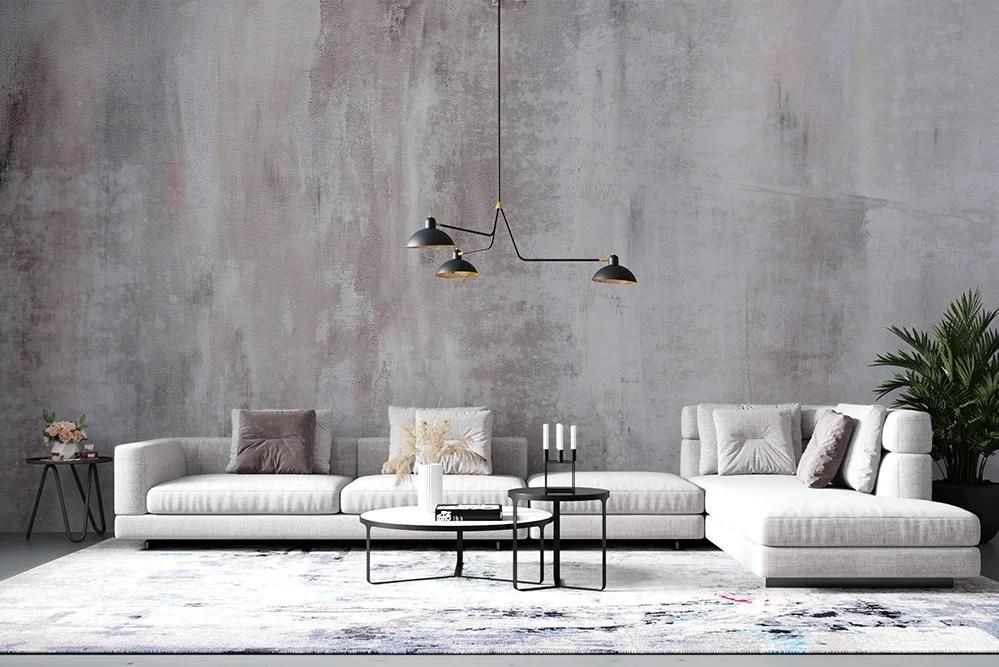
Image: Carmen Ture @ecladecoration.com
Venetian plaster has been making a resurgence and cropping up all over in the interior design world on sources such as Instagram, Pinterest and design magazines, so we thought it would be helpful to share some of the differences between a faux finish and true Venetian plaster.
Not familiar with these decorative wall paint techniques, well we’re going to give you the rundown!
What Is a Faux Finish?
A faux finish is a decorative painting technique designed to mimic the look of stone, wood, marble, or other natural materials. The word faux literally means false. It is a painted illusion. Faux finishes typically use acrylic or latex paint combined with glazes. They are applied with brushes, sponges, rags, or specialty tools to create texture and variation. They can be beautiful when done well, and they are often more budget friendly and faster to install than true plaster finishes. However, at the end of the day, it is still paint.

Don’t get us wrong some of the faux finishes can be lovely but we’re here to make sure you understand the differences so that if you are looking for a true Venetian plaster you don’t wind up with a lesser dupe!
What Is Venetian Plaster?
Venetian plaster is a traditional wall finish rooted in Italian craftsmanship. It is made from lime plaster mixed with marble dust and natural pigments. It is applied in multiple thin layers using a steel trowel, then burnished to create a luminous, dimensional surface.
This is not paint sitting on top of drywall. It becomes part of the wall. The layering process creates depth and subtle variation that reflects light in a way flat paint simply cannot. When sealed properly, Venetian plaster is durable and can last for decades. It develops character over time rather than wearing out.

Image: Carmen Ture @ecladecoration.com
Venetian Plaster vs Faux Finish
Material
Faux finish uses paint and glaze to imitate something else. Venetian plaster is mineral based and contains lime and marble dust. One is decorative. The other is architectural.
Application
Faux finish is typically applied in one to two decorative layers. Venetian plaster is applied in multiple ultra thin layers and polished by hand. The craftsmanship level is very different.
Appearance
Faux finishes can look convincing in photos, especially from a distance. Up close, they often read flatter and more surface level. Venetian plaster has depth, variation, and movement that feels organic and substantial.
Longevity
Faux finishes may require repainting or touch ups over time. Venetian plaster, when properly installed and sealed, is dense, breathable, and long lasting.

Image: Carmen Ture @ecladecoration.com
When Should You Choose Each?
Choose a faux finish if you are working within a tighter budget or updating a space that may evolve frequently. It can offer visual interest without a long term commitment.
Choose Venetian plaster if you want a timeless, artisan finish that adds quiet sophistication and texture to a space. It works beautifully in living rooms, dining rooms, powder baths, entryways, and anywhere you want subtle depth rather than flat color.

Image: Carmen Ture @ecladecoration.com
If including Venetian plaster or marmorino in your interior design, be sure to thoroughly vet your artist and ensure you are getting the real deal if the goal is to achieve the multi-dimensional beauty of a true venetian plaster.
Final Thought
If you are investing in a renovation and want your walls to feel layered, intentional, and quietly elevated, it helps to know exactly what you are specifying. Paint can be beautiful. But plaster is something else entirely.
Frequently Asked Questions
What is Venetian plaster made of?
Venetian plaster is made from lime plaster combined with marble dust and natural pigments. It is applied in layers and burnished to create depth and sheen.
Is faux finish the same as Venetian plaster?
No. Faux finish is decorative paint meant to mimic other materials. Venetian plaster is a mineral based wall finish that becomes part of the surface itself.
Is Venetian plaster more expensive than faux finish?
Yes, typically. Venetian plaster requires skilled artisans and more labor intensive application. The cost reflects the craftsmanship and longevity.
How long does Venetian plaster last?
When properly installed and sealed, Venetian plaster can last decades and often improves in character over time.
Can Venetian plaster be used in bathrooms?
Yes, when sealed correctly it can be used in powder baths and even certain moisture prone areas, depending on ventilation and application method.


Be the first to comment