

What Makes a Home Feel Custom Instead of Builder Grade?
Key Takeaways
A home feels custom instead of builder grade when it is designed with intentional details, tailored functionality, layered materials, and thoughtful choices that reflect how the homeowner actually lives.
A custom home is defined by thoughtful design decisions, not just price point. Millwork and cabinetry are major differentiators, adding both character and function. Materials with depth and variation create a more elevated, layered feel. Lighting should be layered and adjustable to support how each space is used. Layout and flow should reflect daily life, not a one-size-fits-all plan. Architectural details should enhance the home, not feel forced. Personality and character are what make a home feel memorable, not generic.
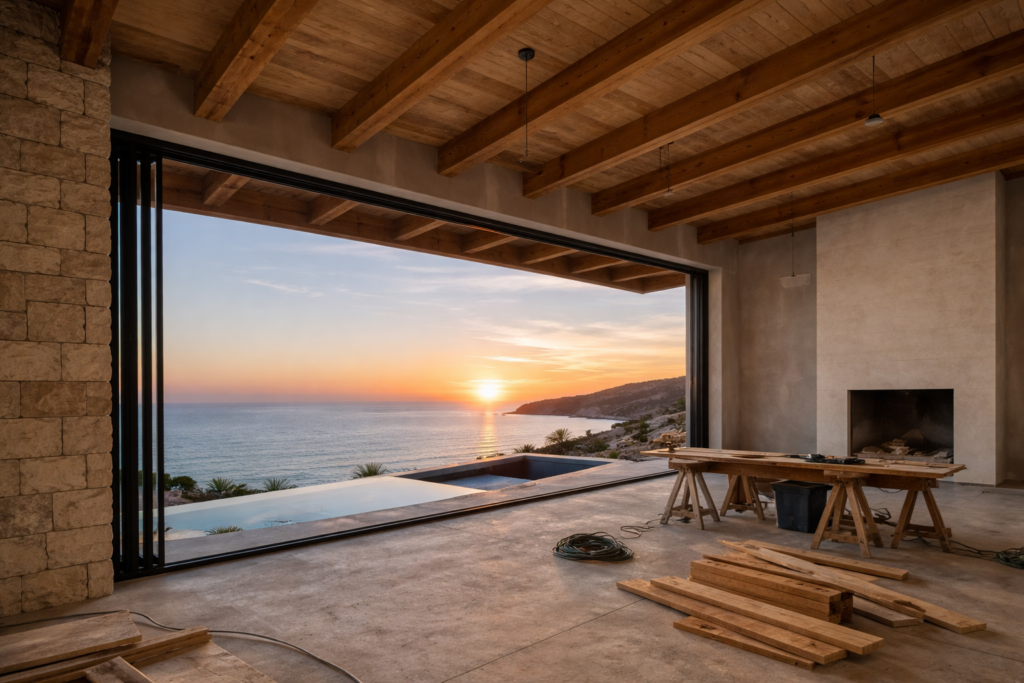
There’s a certain feeling you get when you walk into a home that’s been thoughtfully considered. Not overdone, not trying too hard… just layered, intentional, and a little bit unexpected in the best way.
And then there are the homes that feel… fine. Clean, new, perfectly acceptable. But also, a little flat. Something is missing, you just can’t quite put your finger on it. That’s typically what people mean when they say “builder grade.”
It’s not that cost doesn’t play a role, it absolutely does. But more often, it comes down to where the investment is going and how thoughtfully those decisions are made.
If you’ve ever wondered what actually makes a home feel custom instead of builder grade, this is where that shift tends to happen. It starts with the details most people skip.
Builder homes are designed with speed and broad appeal in mind. Which means a lot of the personality gets stripped out before it even begins. The goal is to work for everyone… but in doing that, it rarely feels specific to anyone.
Custom homes go in the opposite direction. They lean into detail in a way that adds character and warmth and makes the home feel considered from one space to the next.

Architectural details that make a home feel custom
Architectural elements add a level of presence that builder homes often lack. Things like beams, arches, niches, or vaulted ceilings. These details can completely elevate a space, but only when they make sense with the architecture of the home.
When they’re forced, you can feel it immediately. When they’re aligned, they feel effortless. Like they were always meant to be there.
Even something as simple as a niche can create an opportunity for layering art or objects in a way that adds depth and personality. These moments don’t need to be grand to be impactful, they just need to be intentional.
Layout and function are key in a custom home
Open concept has been the default for years, especially in builder homes. But what actually makes a home feel custom isn’t just the layout, it’s how the spaces function and how they support daily life. Because one size does not fit all.
A home designed for a family that cooks and entertains regularly should feel completely different from one where life revolves around homework, activities, and quick transitions throughout the day.
In a kitchen designed for someone who loves to cook, you’ll see zones take shape. Prep, cooking, storage, even a dedicated coffee or breakfast station. Everything is placed with intention so it’s within reach and easy to use.
In a home with a different rhythm, that same space might prioritize something else. A workspace near the kitchen with outlets and charging stations. Storage that supports busy mornings and constant movement. The layout might look similar on paper, but how it functions feels entirely different. That’s what makes it feel custom. It’s designed around real life, not a generic plan.
Millwork and cabinetry are the foundation of a custom home
This is one of the biggest differentiators, and one of the most transformative elements in a home. Millwork has the ability to completely change how a space feels. It adds depth, defines areas, and enhances the architecture in a way very few other elements can. Wall paneling, ceiling details, built-ins… when done well, they don’t feel applied, they feel like they’ve always belonged there.
And it works best when it’s done with intention. The scale, the proportions, the profile details, all of it should feel aligned with the architecture of the home. Not forced, not overly decorative, just a natural enhancement that brings the space to life.
Cabinetry plays just as important of a role. In builder homes, cabinetry is often repeated throughout with little variation. Same door style, same proportions, same approach in every room.
In a custom home, cabinetry is designed for the space it lives in. A kitchen might feel refined and tailored with thoughtful storage built around how it’s actually used. A living room built-in reads more like furniture, layered and detailed. A mudroom leans more practical and durable but still considered. It’s cohesive, but it’s not one-size-fits-all.
And then there’s the level of function built into it. Drawers that are actually organized for how you cook. Built-ins that solve for how you live. Storage that makes everyday use easier instead of more frustrating. This is where form and function meet in a way that feels effortless, and it’s one of the biggest reasons a home starts to feel custom.
Materials matter more than trends
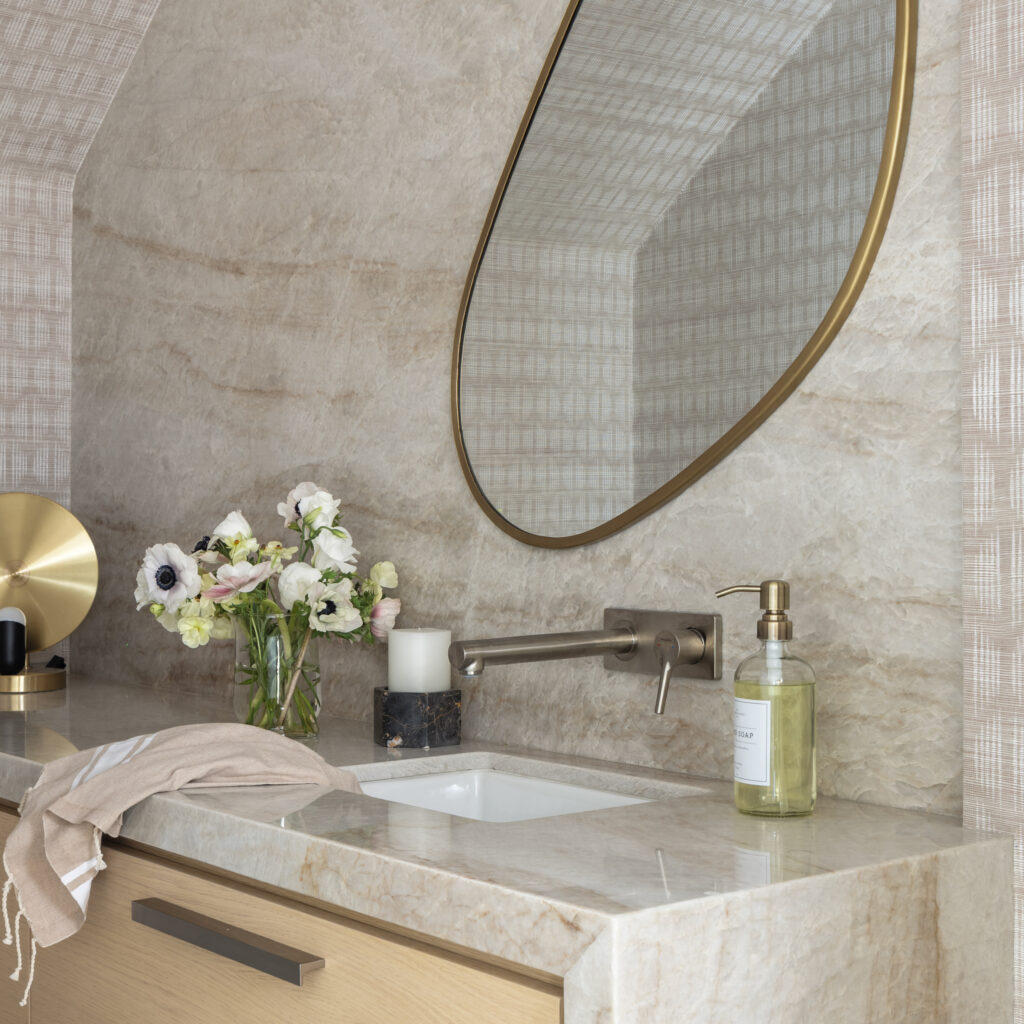
This is where things quietly separate themselves. Builder grade homes often rely on materials that are cost-effective and widely available. There’s nothing inherently wrong with that, but it tends to result in spaces that feel a little uniform and lacking in character.
Custom homes pay closer attention to materiality. Not necessarily the most expensive options, but the ones that bring variation, interest and depth. Natural stone with movement. Wood tones that feel warm instead of flat or overly coordinated. Tile that leans more artisanal than perfectly uniform. These choices add character and warmth without needing to be loud about it, and they tend to age better over time.
Lighting that makes a home feel custom instead of builder grade
Lighting is one of the fastest ways to spot a builder grade home. If everything is overhead, evenly spaced, and big box store recessed fixtures, the space will feel a little one-note. Custom-feeling homes layer their lighting. Decorative fixtures that feel like part of the design, not an afterthought. Ambient lighting that softens the space. Task lighting that actually supports how the room is used.
And then there’s lighting temperature. Warm versus cool light can completely change how a space feels. Kitchens may need brighter, more functional lighting, while living spaces tend to feel better with a softer, warmer glow. Having dimmable or adjustable lighting allows the space to shift throughout the day, which makes a bigger difference than most people expect.
The “in-between” spaces that make a home feel custom
Hallways, entry moments, awkward corners… these are often overlooked. But in a custom home, they’re an opportunity.
A bespoke built-in bench that makes an entry feel intentional. Thoughtfully placed sconces above a console table that give a hallway purpose. Millwork that carries your eye through the space and creates continuity. These moments are subtle, but they’re what make a home feel finished.
Hardware and finishes that elevate a home beyond builder grade
Builder grade homes tend to default to standard, consistent selections. Custom homes take a little more care. Hardware with weight and presence. Mixed metals that feel intentional. Plumbing fixtures that align with the overall design. Even small details like outlet covers are considered. You may not notice each one individually, but together they shift how the home feels.
Personality in a custom home is what makes it memorable
A builder grade home often starts as a blank slate, but sometimes it stays that way. Clean, neutral, inoffensive… and also a little forgettable.
What makes a home feel custom is personality. Character. A sense that the home was designed for the people living in it, not just for resale value or broad appeal.
And this is where the conversation shifts back to something deeper. Understanding the household. How they live, what they enjoy, what inspires them, and what they want their home to offer beyond the basics.
Because personality in a home isn’t just about how it looks, it’s about what it allows you to experience.
For someone who loves wine, that might mean a dedicated wine cellar that feels transportive. Maybe it draws inspiration from a trip to the Loire Valley, with timeworn wood, softly textured limestone walls, and a bistro-style table and chairs for tasting. It’s not just wine storage, it’s an experience.
For a family that gathers for movie nights, it could be a home theater that leans into old Hollywood glamour. A bold marquee-style entry, subtle art deco detailing, velvet drapery, layered lighting, and a fiber optic star ceiling overhead. Even the aisle sconces and custom seating become part of the atmosphere. It turns something simple into something memorable.
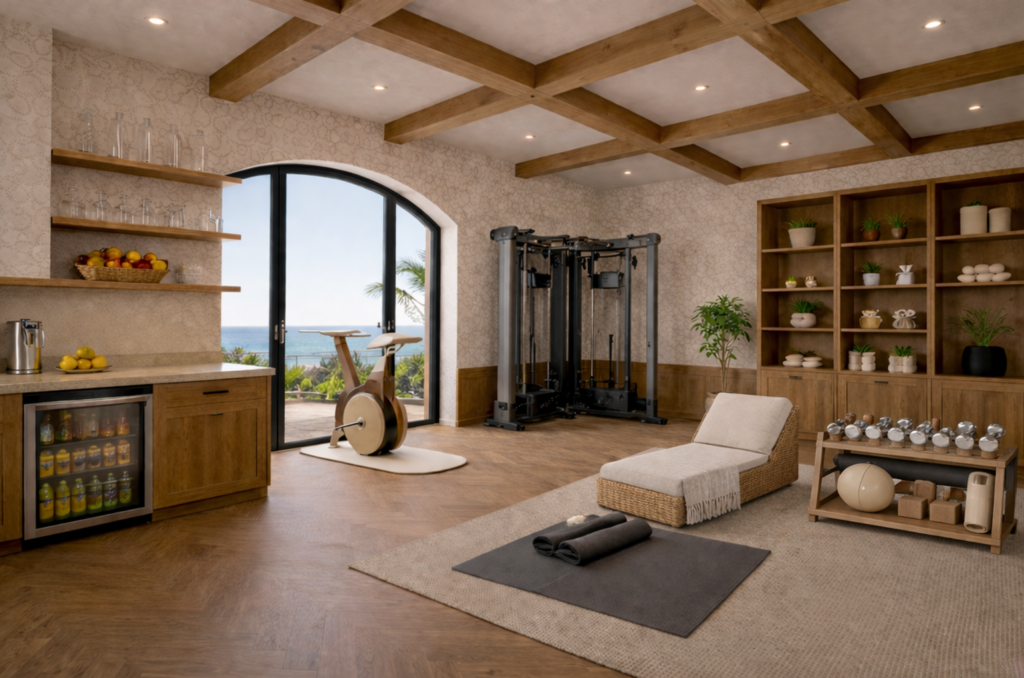
For someone focused on health and wellness, a home gym might go beyond just equipment. Thoughtful layout, room to move, storage that keeps everything accessible, and maybe even a small refreshment area with under-counter refrigeration. It feels complete, not like something added on later.
Bringing it all together
These spaces start to reflect not just what someone needs, but what they love.
This is the thoughtful attention to detail that carries throughout a custom home. A kitchen designed around how someone cooks, gathers and moves through it. A living space that supports relaxation at the end of the day or a family game night. Quiet corners that feel like a true retreat.
When those layers are considered, a home starts to take on a personality of its own. Not overly themed, not forced, just shaped by real experiences, lifestyle, and priorities.
That’s what makes the difference between a home that simply looks nice and one that truly feels custom.
If you’re ready for a home that feels considered, layered, and designed around how you actually live, we’d love to start the conversation.
FAQ
What makes a home feel custom instead of builder grade?
A home feels custom instead of builder grade when it is intentionally designed with tailored details, materials, and functionality that reflect how the homeowner lives. That includes tailored millwork and cabinetry, thoughtful material selections, layered lighting, and a layout that supports how the homeowner actually lives. Builder-grade homes are typically designed for broad appeal, which often results in more generic finishes and layouts.
How can I make a builder-grade home feel more custom?
You can make a builder-grade home feel more custom by upgrading key elements like millwork, cabinetry, lighting, and materials with more intentional, tailored choices. Start with the elements that have the most impact. Upgrading millwork, adding built-ins, and rethinking cabinetry can completely change how a space feels. From there, focus on lighting, material upgrades, and incorporating personality through details like wallpaper, hardware, and layered finishes. You don’t have to do everything at once, a few intentional changes can go a long way.
Is millwork worth the investment in a home?
Yes, millwork is worth the investment because it adds architectural detail, depth, and function that significantly elevates how a home looks and feels. It adds architectural interest, creates depth, and can help define spaces. When designed thoughtfully, it enhances both the function and overall feel of a home in a way that few other elements can.
Why does lighting make such a big difference in a home?
Lighting makes a big difference because it affects how a space functions and feels, with layered lighting creating a more dynamic and comfortable environment. Builder-grade homes often rely on standard overhead lighting, which can feel flat. Layered lighting with a mix of decorative, ambient, and task lighting, along with the right temperature and dimming options, creates a more dynamic and comfortable environment.
What is the difference between custom cabinetry and builder-grade cabinetry?
Custom cabinetry is designed specifically for the space and how it’s used, while builder-grade cabinetry is standardized, less tailored and often a lesser quality. Because builder-grade cabinetry is not designed to fit the space it is less functional and includes filler pieces which waste space. Custom cabinetry is designed specifically for the space and how it’s used to maximize every inch. It often includes tailored storage solutions, varied design details, and a more furniture-like feel that adds character and improves functionality and longevity.
Do architectural details really make a difference in a home?
Yes, architectural details make a difference by adding depth and character when they are thoughtfully integrated into the home’s design. Elements like beams, arches, niches, and ceiling details can add depth and presence, but they should always feel aligned with the home’s architecture. When integrated well, they elevate the overall design rather than feeling decorative or forced.
How do you add personality and character to a home without overdoing it?
You add personality to a home by layering materials, finishes, and meaningful details in a way that feels intentional rather than excessive. Pairing elements like wallpaper with millwork, mixing materials, and incorporating pieces that feel collected rather than overly coordinated helps create a home with character. The goal is to make it feel personal and intentional, not themed or overstyled.


Comments Off on What Makes a Home Feel Custom Instead of Builder Grade?